
By Olivia Garcia
Athens, Georgia — As Athens-Clarke County moves forward under its newly passed FY27 budget, city leaders are setting funding strategies that reflect both longtime infrastructure needs and emerging community priorities. Here’s a breakdown of what residents should know:
Budget Basics: What’s Funded and Why It Matters
The ACC Commission approved a $377 million budget for fiscal year 2027, maintaining the property tax rate at 12.25 mills. Rather than expanding services, a key goal is preserving the city’s existing level of services. One measure that voters will decide this fall is a proposed 1% Floating Local Option Sales Tax (FLOST), intended to shift some tax burden off property owners and onto visitors and consumers, with proceeds dedicated to property tax relief. Equity concerns—especially around renters and lower-income residents—remain central in debates over who bears the tax burden.
Where Your Tax Dollars Are Going
Streets, Bridges, and Sidewalks
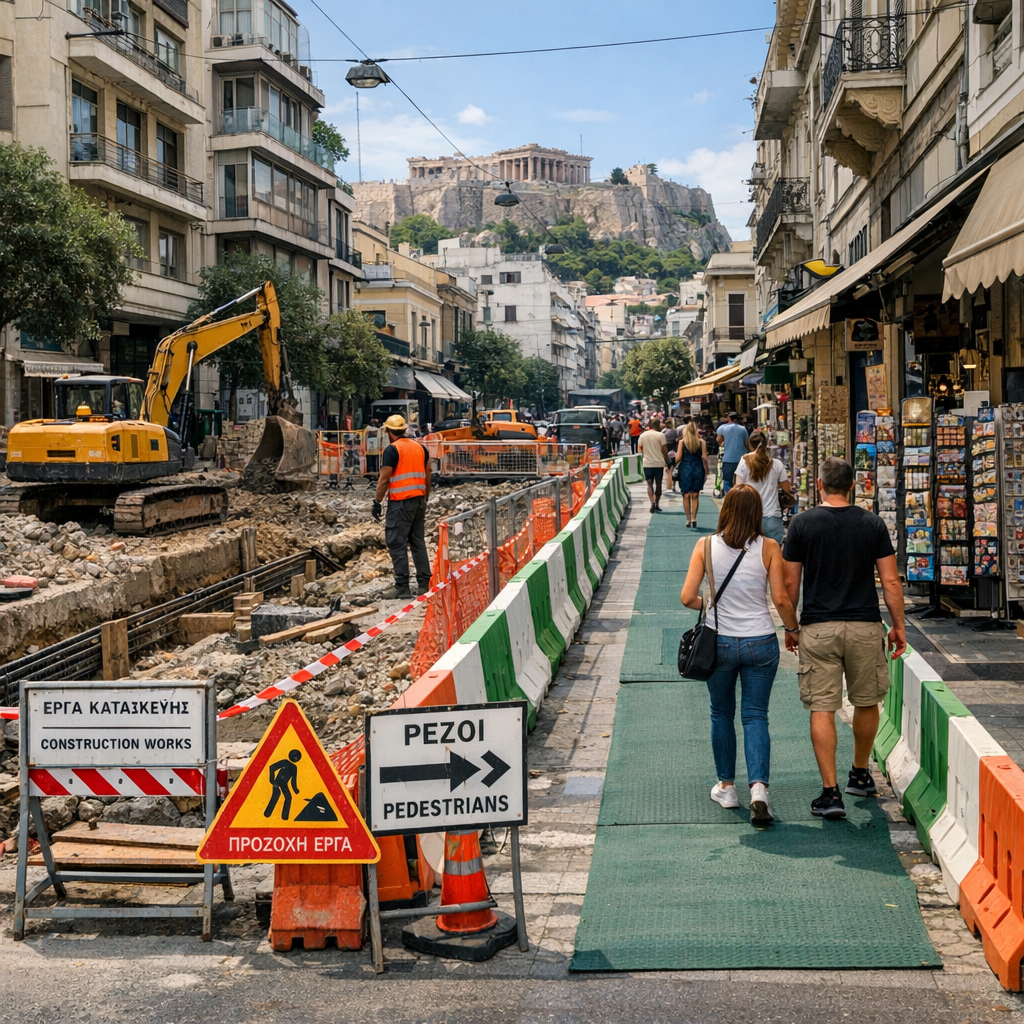
Pavement management is a linchpin in Athens’ transportation spending. While maintaining a current Pavement Condition Index (PCI) of about 68 citywide keeps things from declining further, officials note that a higher investment is needed to eliminate roads deemed “failing.” Bridges also need attention, with $4 million allocated to maintenance and repairs. Major incidents in the next few years may require larger-scale bridge replacement efforts. Sidewalk and pedestrian infrastructure show up prominently, too—projects like intersections improvements and enhanced pedestrian paths aim to make travel across the city safer and more accessible.
Transit, Greenways, and Downtown Spaces
Transit services will see a projected $45 million commitment, enough to keep current routes and fleet alive, but not to expand them. Of concern: many buses have already exceeded their intended service life, and financial constraints may delay replacements. Additionally, $7 million from the Transportation Special Purpose Local Option Sales Tax (TSPLOST) has been earmarked for the Middle Oconee Greenway—part of a longer-term vision for expanded trails and alternative transport connections. Meanwhile, the College Square redesign is transforming downtown spaces between Broad and Clayton streets into more walkable, accessible public areas.
Challenges and Moving Forward
Balancing priorities is no easy feat. On one hand, the city must keep up a heavy schedule of road and bridge maintenance; on the other, new projects like greenways and upgraded transit amenities are gaining attention. The FY27 budget includes a 4% market-rate adjustment for city employees and boosts for public defender staffing, indicating some focus on internal capacity and public safety. But some residents worry that reliance on funding tools like FLOST and TSPLOST without broader revenue reform may leave deeper fiscal issues unaddressed in years to come.
What to Watch
- The outcome of November’s FLOST referendum, which could reshape how Athens funds basic services.
- Progress on the Middle Oconee Greenway’s design and eventual construction, especially its first section along MLK Jr. Drive.
- Once completed, the College Square project is expected to set a tone for downtown’s design ethos and walkability priorities.
Athens is investing in infrastructure with an eye toward equity and sustainability—though how smoothly those investments play out will depend on both funding mechanisms and community engagement in the coming months.